Choosing the Best Roofing Materials: Professional Advice From Premier Roofing & Exteriors
Choosing the correct roofing materials can substantially impact a home's aesthetic appeal and durability. Premier Roofing & Exteriors showcases numerous options, including metal roofing, asphalt shingles, and clay tiles, each delivering unique benefits. Considerations including climate Roofing Fort Wayne and architectural style play a vital role in this choice. Recognizing the long-term value of quality materials is essential, yet many homeowners miss key aspects that can impact their selections. What additional aspects should they explore?
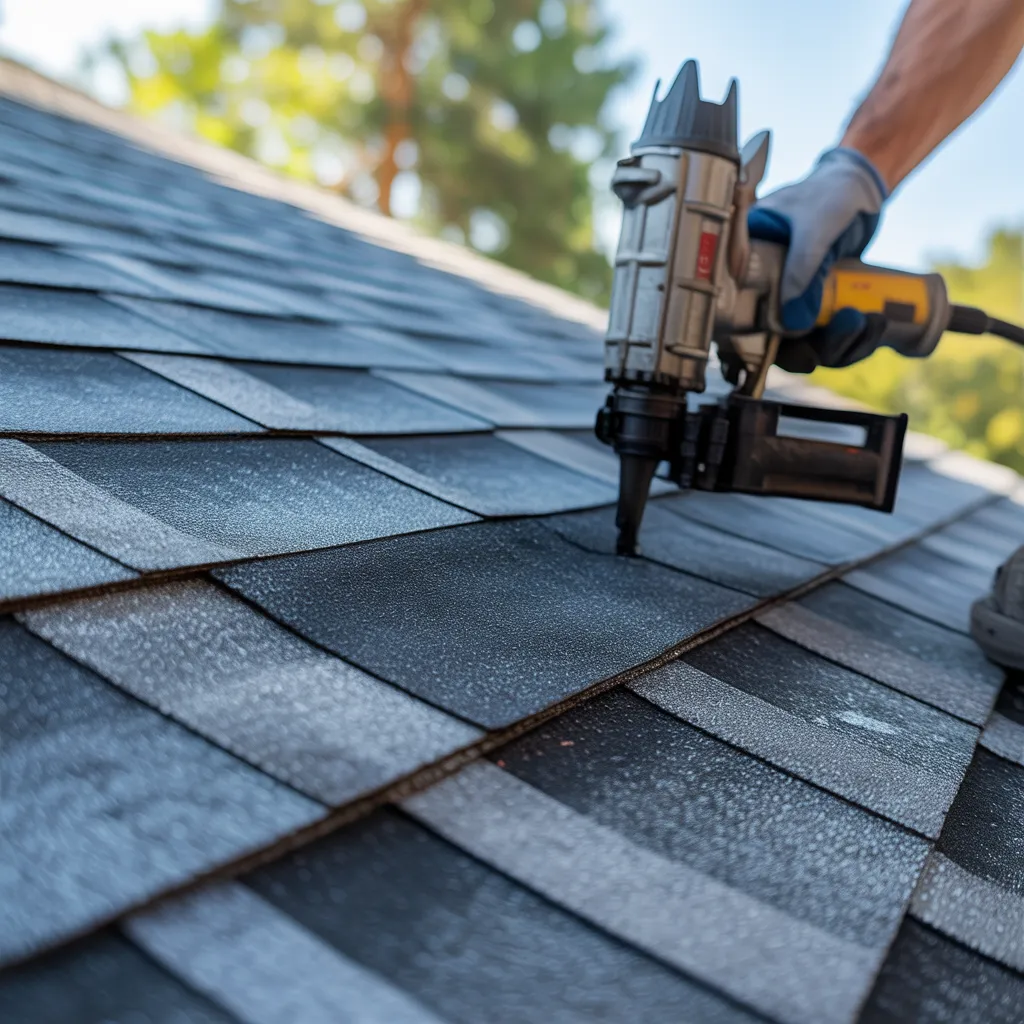
A Guide to Different Roofing Materials
When choosing roofing materials, what factors should homeowners consider? A variety of options exist, each featuring unique traits, benefits, and limitations. Asphalt shingles remain a top choice due to their budget-friendly nature and simple installation process, making them a common choice for many residential projects. Metal roofing, recognized for its long-lasting nature and energy-saving properties, appeals to those seeking longevity and reduced cooling costs. Clay and concrete tiles deliver decorative beauty and demonstrate resistance to a range of weather elements, though they tend to be heavier and more expensive. Wood shakes deliver a natural aesthetic but demand consistent upkeep to avoid deterioration. Homeowners should additionally evaluate regional weather conditions, home design, and financial limitations. At the end of the day, the decision regarding roofing material should correspond with personal desires and real-world necessities, ensuring a balance between functionality and visual appeal while enhancing the property's overall value.
How to Measure Durability and Longevity
Assessing longevity and resilience in roofing materials is vital for homeowners aiming to make a sound investment. To determine these factors, one should look at the material's resistance to weather elements such as wind, rain, and hail. For instance, metal roofs tend to outlast asphalt shingles when it comes to durability, frequently lasting over 50 years with proper maintenance.
One other key factor is the manufacturer's guarantee, which can shed light on expected lifespan and durability. Homeowners would do well to assess the surrounding environmental conditions, as particular materials often work more efficiently in specific environments. To illustrate this point, clay tiles can withstand extreme temperatures, making them ideal for hotter regions.
In addition, consulting professional assessments and reviews can help in assessing performance history. Ultimately, choosing materials that align with both regional demands and personal preferences guarantees a durable roofing solution that protects homes for years to come.
Price vs. Worth in Roofing
Comprehending the link between price and value in roofing materials is essential to arriving at educated decisions. Residents often face the difficulty of balancing upfront expenses with long-term benefits. While lower-cost materials may lower starting costs, they may fall short in durability and need more regular replacements, eventually raising total costs. In contrast, opting for superior-quality materials can produce considerable cost reductions over time through improved durability and lower upkeep requirements.
Value also encompasses considerations such as aesthetic appeal and energy efficiency. Better-insulated roofs can reduce energy costs, providing a return on investment that transcends the initial outlay. Furthermore, a visually striking roof can increase a home's overall market worth. Consequently, assessing roofing choices should go beyond price and take into account long-term benefits and possible savings. At the end of the day, a thorough analysis of cost versus value will guide homeowners toward more rewarding roofing selections.
Selecting the Best Roofing Style for Your Home's Architecture
How do homeowners make certain their roofing style aligns with their home's architectural design? Picking the correct roofing style is critical for establishing aesthetic balance and boosting curb appeal. Homeowners ought to begin by evaluating their home's architectural style. To illustrate, a modern home tends to work well with flat or low-slope roofs, while timeless styles like Colonial or Victorian are best suited to gable or hip roofs.
Furthermore, the surrounding area plays an essential role. Properties near the coast might opt for materials capable of withstanding salt and moisture, while those in colder climates may benefit from roofs designed to shed snow effectively. Color coordination is also critical; a roof should blend with the exterior palette to achieve a unified appearance. Engaging with architectural advisors or industry experts can offer helpful guidance, confirming that the chosen roofing style not only aligns with personal taste but also maintains the architectural authenticity of the residence.
Upkeep Advice for Your Preferred Roofing Material
Proper maintenance of roofing systems is vital for maximizing their longevity and ensuring top-level efficiency. Homeowners should perform regular inspections, ideally twice a year, to recognize underlying concerns such as deteriorated shingles or buildup of debris. Clearing gutters and drainage outlets prevents water damage and promotes proper drainage. For asphalt-based roofing, ensuring adequate ventilation can mitigate heat buildup, which may cause deterioration. Metal roofs need regular examinations for oxidation or weakened connectors, while tile roofs should be inspected for broken tile pieces.
In addition, trimming trees away from the roof helps prevent falling branches and curtails moss or algae growth. When necessary, swift repairs should be performed to keep minor issues from escalating. To conclude, consulting a professional for routine maintenance or inspection can offer expert guidance and ensure that the roofing material stays in outstanding condition, contributing to the home's overall value and safety.
Answers to Your Most Common Questions
What Are the Environmental Impacts of Different Roofing Materials?
Different roofing materials have varying environmental impacts. Asphalt shingles are a major source of landfill waste, but metal roofs present a recyclable alternative. Green roofs deliver significant insulation properties, yet the process of installing them can require substantial resources, highlighting the need for careful selection.
How Do Weather Conditions Affect Roofing Material Performance?
Weather plays a significant role in roofing material durability and function. Extreme temperatures can cause expansion or contraction, and significant rain or snow accumulation can produce leaks. Powerful wind forces may displace or harm materials, compromising their overall durability and performance over time.
Is It Possible to Install New Roofing Over Existing Materials?
That's correct, new roofing materials can be applied on top of existing ones, so long as the structure remains sound and local codes are in compliance. This approach can reduce both time and expenses, however a thorough evaluation is necessary to ensure long-lasting results.
What Are the Typical Warranties Offered for Roofing Materials?
Standard warranties for roofing materials encompass manufacturer warranties, generally protecting against defects for 20 to 50 years, and contractor workmanship warranties, ranging from one to ten years, depending on the contractor, guaranteeing quality installation and reliable material performance.
How to Select a Trustworthy Roofing Contractor
To identify a dependable roofing contractor, homeowners should look into reviews, check licenses and insurance, ask for detailed estimates, and guarantee clear communication. Word-of-mouth recommendations and reviewing previous work can also enhance trust in the contractor's skills.